
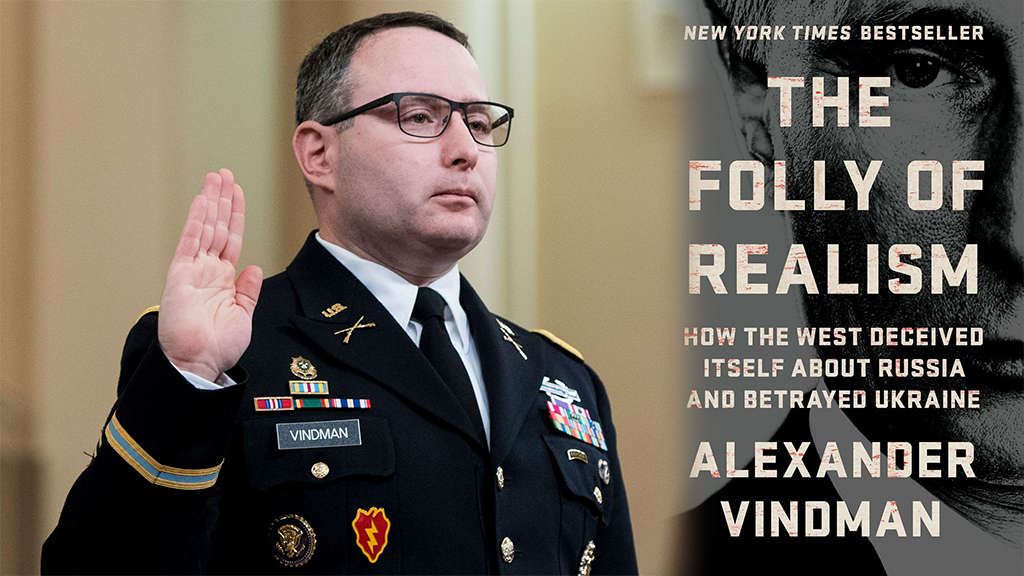
WASHINGTON – Decades of Western “Russia First” foreign policy created the conditions that made Putin’s invasion of Ukraine inevitable, according to explosive new analysis by whistleblower Alexander Vindman published February 25, 2025. The retired Army lieutenant colonel who exposed Trump’s Ukraine pressure campaign now reveals how American and European leaders systematically misunderstood Russian intentions and betrayed Ukrainian security through misguided realist strategies.
Vindman’s 304-page analysis demonstrates that Western policymakers spent thirty years trying to accommodate Putin rather than contain him, believing that economic integration and diplomatic engagement would moderate Russian behavior. Instead, these policies convinced Putin that the West lacked resolve to defend its stated values, encouraging increasingly aggressive actions from Georgia in 2008 to Ukraine in 2022.
The book documents specific moments when Western leaders chose short-term stability over long-term security, repeatedly signaling to Moscow that territorial aggression would face minimal consequences. Vindman argues these decisions represent fundamental misunderstanding of how authoritarian regimes interpret diplomatic signals and military posture.
How America Got Russia Wrong for Thirty Years
Vindman traces the roots of current crisis to immediate post-Cold War period when American leaders assumed Russia would naturally evolve into democratic partner. This assumption led to policies that prioritized Russian feelings over Eastern European security, treating countries like Ukraine as bargaining chips rather than sovereign nations deserving protection.
The “Moscow Factor” dominated American decision-making throughout the 1990s and 2000s, with every policy choice filtered through concerns about Russian reactions. When Ukraine and Georgia sought NATO membership, Western leaders worried more about offending Putin than protecting these countries from obvious threats. This approach taught Moscow that aggression worked better than cooperation for achieving strategic goals.
Vindman reveals how realist thinkers consistently argued that Eastern Europe fell within Russia’s “sphere of influence,” essentially granting Putin veto power over neighboring countries’ foreign policy choices. These academics and policymakers claimed that respecting Russian interests would prevent conflict, but actually encouraged Putin to view the region as his personal empire.
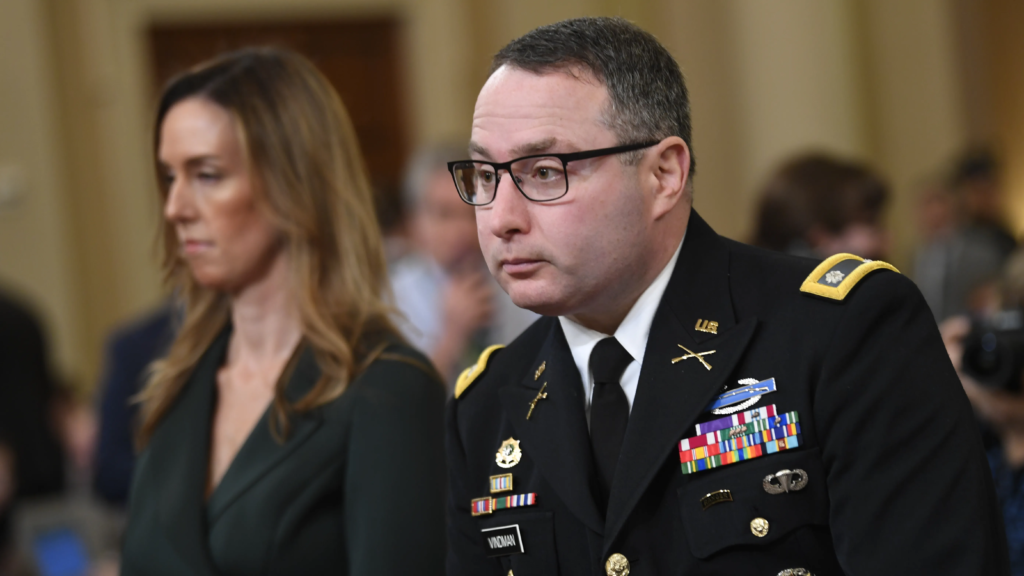
The Specific Moments When Everything Went Wrong
The book identifies crucial decision points where different Western responses could have prevented the current war. After Russia’s 2008 invasion of Georgia, NATO and EU leaders imposed minimal sanctions and quickly returned to business as usual. This weak response convinced Putin that territorial conquest carried acceptable costs.
Obama’s “reset” policy with Russia following the Georgia war sent particularly dangerous signals. By treating the invasion as unfortunate misunderstanding rather than deliberate aggression, American leaders indicated that Russian military action wouldn’t fundamentally damage bilateral relations. Putin learned that he could grab territory and face only temporary diplomatic consequences.
The 2014 annexation of Crimea represented another missed opportunity for decisive action. Western sanctions targeted individual Russian officials rather than the country’s economic foundation, allowing Putin to absorb the costs while maintaining his military capabilities. Vindman shows how this measured response convinced Moscow that the West preferred symbolic gestures over meaningful deterrence.
Why Traditional Containment Strategies Failed
Vindman explains that Cold War containment worked against Soviet Union because both superpowers understood the rules of nuclear competition and respected mutual deterrence. Putin’s Russia operates differently, using hybrid warfare, cyberattacks, and limited territorial grabs that fall below the threshold for massive retaliation.
Modern Russia exploits Western decision-making processes that prioritize consensus and proportional response. While NATO debates appropriate responses to Russian provocations, Moscow presents new facts on the ground that become harder to reverse over time. This asymmetric approach neutralizes Western military advantages by avoiding direct confrontation.
The book reveals how Putin studied Western reactions to previous conflicts and identified patterns of behavior that allowed him to predict likely responses to his actions. European dependence on Russian energy, American war fatigue from Iraq and Afghanistan, and Western divisions over military intervention created opportunities that skilled adversary could exploit.
What Vindman Proposes Instead
Rather than continuing failed accommodation strategies, Vindman calls for “offensive containment” that proactively undermines Russian capabilities before they can threaten Western interests. This approach involves permanent military presence in Eastern Europe, comprehensive economic warfare against Russian elite, and active support for democratic movements inside Russia itself.
The strategy requires treating Putin’s regime as illegitimate rather than distasteful partner. Instead of seeking diplomatic solutions that validate Russian territorial gains, Western leaders should work systematically to weaken Putin’s domestic position and international capabilities. This means accepting that regime change in Russia represents necessary precondition for European security.
Vindman argues that this approach actually reduces risk of nuclear war because it demonstrates Western resolve that Putin currently doubts. When authoritarian leaders believe their opponents lack determination to fight, they make increasingly dangerous gambles. Clear evidence of Western commitment to Ukrainian victory would force Putin to recalculate the costs of continued aggression.
Why This Analysis Matters Now
The book arrives as Trump returns to office with promises to negotiate quick end to Ukraine war. Vindman’s analysis suggests that any deal preserving Russian territorial gains would repeat the mistakes that enabled the current conflict. Putin would interpret American pressure on Ukraine to accept compromise as evidence that aggression ultimately succeeds.
Current European discussions about providing security guarantees to Ukraine face the same problems Vindman identifies in previous Western policies. Unless these guarantees include automatic military response to Russian violations, they become empty promises that encourage further testing. Putin has learned to distinguish between meaningful commitments and diplomatic theater.
The book’s instant bestseller status indicates growing recognition that traditional foreign policy thinking has failed catastrophically. Vindman’s credentials as both Ukraine expert and Trump whistleblower give him unique authority to critique bipartisan foreign policy establishment that enabled the current crisis through decades of wishful thinking about Russian intentions.
“The Folly of Realism: How the West Deceived Itself About Russia and Betrayed Ukraine” is published by PublicAffairs, available in hardcover, digital, and audiobook formats. Vindman has been promoting the book through events at Politics and Prose, Good Morning America, and NPR, with upcoming appearances in Miami and other cities as public interest in Ukraine policy alternatives continues growing.
Key Takeaways
- Vindman reveals how thirty years of “Russia First” policy convinced Putin that territorial aggression would face only temporary diplomatic consequences.
- Western leaders repeatedly chose accommodation over containment, treating countries like Ukraine as bargaining chips rather than sovereign nations deserving protection.
- Current proposals for Ukraine negotiations risk repeating historical mistakes unless they include automatic military responses to future Russian violations.
Related Articles
- Trump Ukraine Negotiations Face Historical Policy Failure Patterns Identified by Security Experts – Analysis of how proposed peace deals could repeat accommodation mistakes that enabled current war.
- NATO Eastern Europe Military Presence Expansion Responds to Russian Containment Strategy Failures – Examination of how alliance adapts defense posture based on lessons from accommodation policy disasters.
- Putin Regime Legitimacy Questions Drive New Western Containment Approaches – Investigation of how foreign policy experts reconsider diplomatic engagement with authoritarian Russia.
