

My father sits on the phone with his mother who lived in Monrovia, Liberia. Tears come streaming down his face as he struggles to find the Bassa words that once came naturally to him. After twenty years in America, his native tongue feels foreign while she speaks rapidly in a language I’ve never learned. The conversation ends in frustrated silence. Two people who share blood but can no longer share thoughts. When my grandmother died years later, she took with her not just family stories, but entire ways of expressing love, loss, and belonging that barely exist around the world. Now, when my father tries to remember her voice, he can only hear a forgotten language.
What Happens When Words Vanish From Human Memory
Lost words represent more than forgotten vocabulary—they carry entire worldviews that disappear when languages die. Currently, 573 known languages have become extinct since researchers began tracking this phenomenon. Between 1950 and 2010 alone, 230 languages were declared extinct, according to global linguistics research. This rate of loss means one language disappears every 40 days, taking with it specialized knowledge accumulated over generations. Each extinct language represents thousands of words that no longer exist in human consciousness.
The process of word death follows predictable patterns that linguists have documented worldwide. Languages typically move through five stages before extinction: potential endangerment, endangerment, serious endangerment, moribund status, and finally extinction. Understanding regional language patterns helps explain why certain areas lose words faster than others. When communities stop teaching children their ancestral language, specialized vocabulary begins disappearing within a single generation.

How Many Languages Face Extinction Right Now
The scale of global language loss is staggering when examined through hard data. UNESCO’s Atlas of the World’s Languages in Danger categorizes 2,473 languages by level of endangerment. Research suggests that 2,900 languages face some level of extinction risk today—approximately 42% of all languages worldwide. Half of the world’s approximately 7,000 languages have fewer than 3,000 speakers each. Language hotspots where extinction happens fastest include Eastern Siberia, Central Siberia, Northern Australia, Central America, and the Northwest Pacific Plateau. In Mexico alone, 64 of the 68 languages spoken are threatened with extinction.
The numbers reveal troubling trends about which types of languages disappear first. Small-range languages spoken in limited geographic areas face the highest extinction risk. Languages with fewer than 1,000 speakers have an 85% chance of extinction within the next century. Oceania leads in threatened languages with 733 classified as endangered. Africa follows with over 350 languages considered seriously endangered, while Australia has over 100 languages on UNESCO’s danger list. Research from platforms exploring innovation and human behavior shows this crisis accelerating due to globalization and urbanization.
Why Specific Words Disappear Before Entire Languages Die
Individual words often vanish years before entire languages become extinct, creating gaps in cultural knowledge that communities cannot recover. Specialized vocabulary relating to traditional practices disappears first when communities modernize or migrate. For example, many indigenous languages have lost specific terms for traditional farming techniques, medicinal plants, or seasonal observations as communities adapt to urban lifestyles. Technical vocabulary for traditional crafts often disappears when industrial production replaces handmade goods. Environmental terminology disappears when communities move away from ancestral lands or when ecosystems change due to climate factors.
Oxford University Press sparked controversy in 2015 when they removed nature words like “acorn,” “bluebell,” and “kingfisher” from the Oxford Junior Dictionary to make room for technology terms. This editorial decision reflected how children’s vocabulary naturally shifts toward digital concepts while losing connection to natural environments. Cross-cultural communication research demonstrates how vocabulary changes reflect broader social transformations. Language researchers documented over 400 ultra-rare English words that exist only in historical dictionaries, demonstrating how even major languages lose specialized vocabulary over time.
Where Language Death Happens Fastest
Geographic factors strongly influence which regions lose languages most rapidly, creating predictable patterns of linguistic extinction. Island communities face particularly high extinction rates because small populations lack the demographic stability needed for language transmission. Road density correlates with increased language endangerment because transportation infrastructure encourages population movement and contact with dominant languages. Economic development often accelerates language loss as communities shift toward languages associated with education, employment, and social mobility. Climate change adds another layer of pressure by forcing communities to abandon traditional territories where their languages developed specific environmental vocabulary.
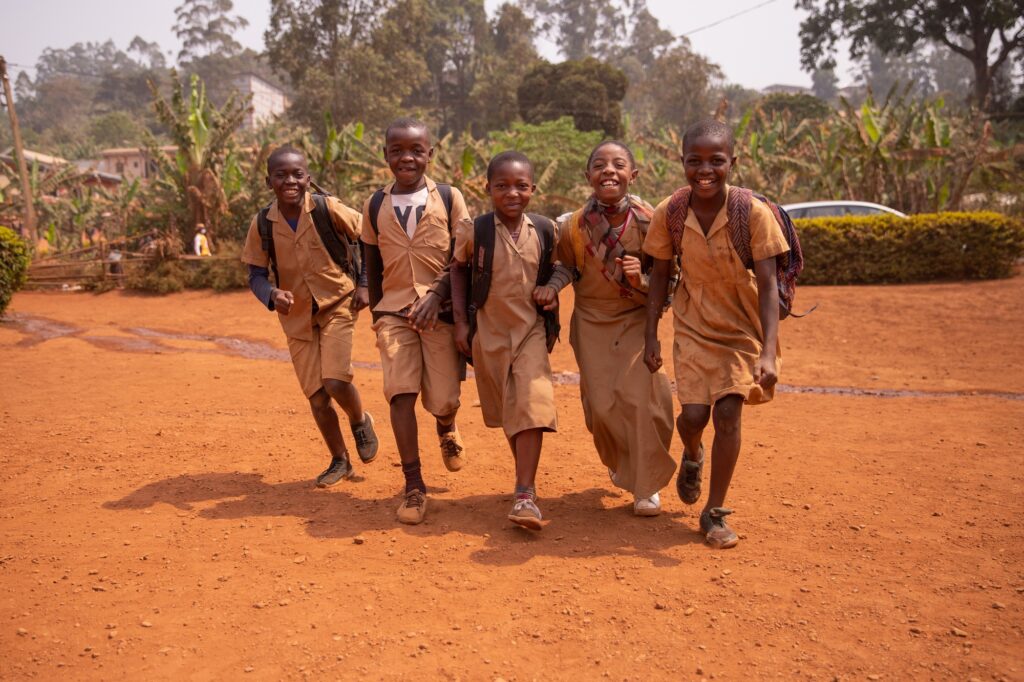
West Africa exemplifies how multiple factors combine to threaten language diversity. The region contains numerous small language communities that developed specialized vocabulary for local ecosystems, traditional governance, and cultural practices. Colonial languages like English and French dominate education and government, while economic pressures push young people toward cities where dominant languages provide better opportunities.
The Grebo language cluster in Liberia and Ivory Coast demonstrates this complexity. While the language group still has speakers, many dialects within it have lost specialized vocabulary as traditional practices change. Research from research organizations supporting foundational science documents similar patterns across African language communities.
What Knowledge Dies With Lost Words
When languages become extinct, humanity loses irreplaceable knowledge systems that took millennia to develop. Indigenous languages often contain detailed ecological knowledge that Western science has never documented. For example, some Arctic languages have dozens of words for different types of snow and ice conditions that could inform climate research.
Even biotechnology is impacted when traditional medicine knowledge encoded in indigenous languages includes plant classifications and treatment methods that pharmaceutical researchers might find valuable. Agricultural techniques preserved in endangered languages could offer solutions for sustainable farming in a changing climate. Navigation methods, astronomical observations, and seasonal predictions embedded in traditional languages represent sophisticated knowledge systems.
The Tuvan language in southern Siberia contains specialized vocabulary for nomadic herding that reflects thousands of years of environmental adaptation. These words encode precise knowledge about animal behavior, weather patterns, and land management that researchers cannot fully capture in translation. When the last fluent speakers die, this knowledge disappears forever. Similarly, Pacific Island languages contain detailed vocabulary for ocean navigation, fish behavior, and weather prediction that could inform modern maritime science. The N|uu language of South Africa, now spoken by only one person, contains unique click sounds and cultural concepts that exist nowhere else in human language.
How Lost Words Affect Identity and Belonging
Language death creates identity crises that extend beyond vocabulary loss into fundamental questions of cultural belonging. Communities often struggle to maintain cultural practices when the specific words that describe them no longer exist. Religious ceremonies, traditional stories, and cultural concepts become harder to transmit when the language that expresses them disappears. Young people in communities experiencing language loss report feeling disconnected from ancestral knowledge and cultural identity. This psychological impact of word loss affects community cohesion and cultural continuity across generations.
Who Decides Which Words Survive?
The survival of words and languages is determined by power structures, economic systems, and political decisions that favor certain languages over others. Educational policies play a crucial role in determining which languages children learn and maintain. When governments require education in dominant languages only, minority languages lose their primary transmission mechanism. Economic opportunities concentrated in specific languages push communities toward linguistic assimilation for survival. Media and technology platforms that operate primarily in major languages accelerate the marginalization of smaller languages. Immigration policies and citizenship requirements often pressure communities to abandon ancestral languages.
Dictionary publishers and educational institutions wield significant influence over which words remain accessible to future generations. The Oxford Junior Dictionary controversy demonstrated how editorial decisions about children’s vocabulary can reflect and reinforce societal priorities. Technology companies that develop translation software and language learning platforms decide which languages receive digital support and which remain excluded from modern communication tools. Academic institutions that offer language programs influence which endangered languages receive documentation and revitalization efforts. Understanding communication power dynamics reveals how institutional decisions shape language survival.
What Happens When Communities Fight Language Death
Language revitalization efforts provide mixed results, with some remarkable successes and many sobering failures. Hebrew’s revival from a liturgical language to Israel’s primary spoken language represents the most successful language resurrection in modern history. Welsh language revitalization in Wales shows how government support and educational programs can reverse language decline. Native American tribes have achieved varying degrees of success with immersion schools and community programs. However, most language revitalization efforts face enormous challenges including lack of fluent speakers, limited resources, and competing pressures from dominant languages.
Technology offers new tools for language preservation, but also presents complications. Digital archives can preserve recordings and vocabulary for future generations, but cannot maintain living language communities. Apps and online courses can teach basic vocabulary but struggle to transmit cultural context and nuanced usage. Social media platforms can connect dispersed speakers but may also fragment traditional language forms. Virtual reality and artificial intelligence show promise for immersive language learning, but require significant investment and technical expertise that many endangered language communities lack.
What We Gain and Lose From Language Death
Language death creates a complex mix of gains and losses that resist simple moral judgments. Communities often gain economic opportunities, educational access, and social mobility when they adopt dominant languages. Children who learn major languages may have better access to higher education, technology, and global communication networks. Societies benefit from increased communication efficiency when populations share common languages. Trade, governance, and emergency services operate more effectively with linguistic standardization. Some argue that language consolidation reduces barriers to human cooperation and technological advancement.
However, the losses from language death extend far beyond sentimental concerns about cultural preservation. Scientific research loses access to alternative ways of categorizing and understanding natural phenomena. Medical knowledge embedded in traditional languages disappears before it can be studied or applied. Artistic expression loses the unique metaphors, rhythms, and wordplay that exist only in specific languages. Philosophy and spirituality lose conceptual frameworks that might offer different approaches to human problems. Cognitive science loses opportunities to study how different languages shape thought processes and perception.
Key Takeaways About Lost Words
The death of words and languages represents an ongoing global crisis that affects every human community, whether they realize it or not. When languages disappear, they take with them irreplaceable knowledge about human potential, environmental adaptation, and cultural innovation. The current rate of language loss—one every 40 days—means we’re experiencing a mass extinction event in human cultural diversity. This isn’t inevitable natural change but the result of specific political, economic, and social forces that could be addressed through different policy choices.
Understanding language death helps us appreciate the complexity of human cultural evolution and the fragility of knowledge systems that seem permanent. Every surviving language represents thousands of years of human experimentation with meaning, expression, and understanding. Research on language and identity shows that linguistic diversity provides cognitive benefits even for speakers of dominant languages. The challenge isn’t choosing between preservation and progress, but finding ways to maintain cultural diversity while enabling communities to thrive in modern contexts.
Lost words remind us that human knowledge is more fragile and diverse than we often assume. When we lose languages, we lose potential solutions to problems we haven’t yet encountered. We lose alternative ways of being human that might prove essential for our species’ future adaptation and survival.
FAQs
How quickly can a language actually die?
A language can become extinct within a single generation if children stop learning it as their first language. The process typically takes 20-30 years once intergenerational transmission stops. However, languages can lose specialized vocabulary much faster. For example, technical words for traditional practices often disappear within 5-10 years when communities abandon those practices. Climate disasters, forced relocations, or political upheavals can accelerate language death dramatically.
Can extinct languages ever be brought back to life?
Language revival is extremely difficult but not impossible. Hebrew represents the only fully successful case of bringing an extinct language back to everyday use. Most revival attempts achieve limited success, creating new speakers for ceremonial or academic purposes rather than natural community use. Success requires extensive documentation, committed communities, institutional support, and often government backing. Even successful revivals typically result in languages quite different from their historical forms.
Why don’t governments do more to save endangered languages?
Governments face competing priorities between preserving linguistic diversity and promoting national unity, economic development, and educational efficiency. Supporting multiple languages requires significant resources for education, translation, and administrative services. Many governments view language standardization as necessary for building national identity and economic competitiveness. Political pressures often favor majority languages, while minority language speakers may lack political representation to advocate for preservation efforts.
What happens to the last speaker of a language?
Terminal speakers often experience profound isolation and psychological burden knowing their death will end their language forever. They may struggle to express complex cultural concepts that don’t exist in other languages they speak. Some become dedicated to documentation efforts, working with linguists to record their knowledge. Others prefer to let their language die naturally rather than reduce it to academic curiosity. The responsibility of being the final carrier of thousands of years of cultural knowledge creates unique emotional and spiritual challenges.
