
Neil Gaiman born Neil Richard MacKinnon Gaiman on November 10, 1960 is a British author with multiple meanings across literature, comics, screenwriting, and media production. In literature, he refers to a fantasy and horror writer known for blending mythology with contemporary themes. In comics, he denotes the creator of acclaimed series like “The Sandman.” In media, he indicates a producer and adapter of literary works across film, television, and audio formats.
| Neil Gaiman | |
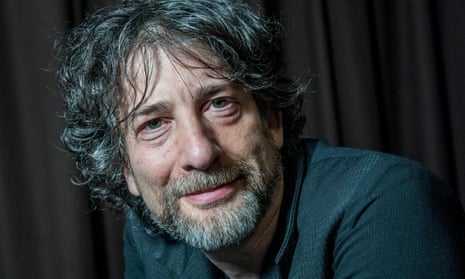 Neil Gaiman at literary festival | |
| Category | Public Figure |
| Type | Author, Screenwriter, Producer |
| Other names | Neil Richard MacKinnon Gaiman, Lord of Dreams creator, Fantasy author |
| Born | November 10, 1960, Portchester, Hampshire, England |
| Notable works | • The Sandman • American Gods • Good Omens • Coraline |
| Genres | Fantasy, Horror, Mythology, Children’s literature |
| Nationality | British |
| Study fields | Literature, Comics studies, Media studies, Mythology |
| Sources | |
| Narrative; New Literary History; Creative Writing Studies; Games and Culture; Screen | |
Early Life and Education
Neil Richard MacKinnon Gaiman was born on November 10, 1960, in Portchester, Hampshire, England, to David Bernard Gaiman and Sheila Gaiman. His father worked in the vitamin business, while his mother was a pharmacist. The family moved to East Grinstead, West Sussex, when Gaiman was young, where he spent most of his childhood.
Gaiman attended several schools including Fonthill School in East Grinstead, Ardingly College, and later Whitgift School in Croydon. He has described himself as an avid reader from an early age, spending considerable time in local libraries. His reading interests included works by J.R.R. Tolkien, C.S. Lewis, Lewis Carroll, and Rudyard Kipling.
He did not attend university, instead beginning his career in journalism at age 18. Gaiman has stated in interviews that he learned writing through reading extensively and practicing journalism rather than formal education in creative writing or literature.
Career
Journalism and Early Writings
Gaiman began his professional writing career in journalism in the early 1980s, writing for various British publications. He conducted interviews with musicians and wrote reviews for magazines. His early work included interviewing bands and writing about popular culture for publications like Knave magazine.
During this period, he also began writing fiction and non-fiction books. His first published work was a biography of the band Duran Duran, followed by other pop culture books including works about Douglas Adams and Monty Python. These early publications established his ability to write accessible non-fiction for general audiences.
Comics
Gaiman entered the comics industry in the late 1980s, initially writing for British comics including 2000 AD. His breakthrough came when DC Comics offered him the opportunity to revive the character Sandman in 1989. “The Sandman” series ran for 75 issues from 1989 to 1996, becoming one of the most critically acclaimed comic series of its era.
The series featured Morpheus, the anthropomorphic personification of dreams, and explored themes of mythology, literature, and human psychology. The comic incorporated elements from various mythological traditions, literature, and historical periods. It became the first comic series to win a World Fantasy Award for Best Short Fiction.
Gaiman’s other comics work includes “Black Orchid,” “The Books of Magic,” and various one-shot comics for DC and other publishers. His comics writing influenced the medium’s literary credibility and helped establish comics as a legitimate form of adult literature.
Novels
“Good Omens,” co-written with Terry Pratchett in 1990, was Gaiman’s first novel collaboration. The comedic fantasy about the apocalypse became a bestseller and established his reputation in novel writing. His first solo novel, “Neverwhere” (1996), began as a BBC television series before being adapted into book form.
“American Gods” (2001) won multiple awards including the Hugo, Nebula, and Bram Stoker awards. The novel explores mythology in contemporary America through the story of Shadow, a man caught between old gods brought by immigrants and new gods of modern technology and media.
His children’s literature includes “Coraline” (2002), which won the Hugo Award and Nebula Award, and “The Graveyard Book” (2008), which won the Newbery Medal. These works demonstrate his ability to write horror and fantasy themes appropriate for younger audiences while maintaining literary quality.
Film and Screenwriting
Gaiman has written screenplays for various film projects, though many have remained unproduced. He wrote the screenplay for “Beowulf” (2007), directed by Robert Zemeckis and starring Ray Winstone and Anthony Hopkins. The film used motion capture technology to create a computer-animated adaptation of the Old English epic.
He served as executive producer on film adaptations of his works, including “Coraline” (2009), directed by Henry Selick as a stop-motion animated film. The adaptation received critical acclaim and Academy Award nominations for Best Animated Feature.
His involvement in “The Sandman” Netflix adaptation includes serving as executive producer and showrunner, maintaining creative control over the television adaptation of his comic series.
Television Production
Gaiman’s television work includes creating and executive producing “American Gods” for Starz (2017-2021), based on his novel. He served as showrunner for the first season before stepping back to focus on other projects. The series featured an ensemble cast including Ricky Whittle, Ian McShane, and Emily Browning.
“Good Omens” was adapted as a six-episode miniseries for Amazon Prime Video and BBC Two in 2019, with Gaiman serving as showrunner and writer. The adaptation starred David Tennant and Michael Sheen as the demon Crowley and angel Aziraphale.
“The Sandman” premiered on Netflix in 2022, with Gaiman as executive producer and showrunner. The series starred Tom Sturridge as Dream/Morpheus and featured an international cast including Boyd Holbrook, Vivienne Acheampong, and Charles Dance.
Radio
Gaiman has written and adapted works for BBC Radio, including radio versions of “Neverwhere” and other stories. His radio work demonstrates his ability to write for audio formats and utilize sound design as a storytelling element.
He has also appeared on various radio programs as a guest and commentator, discussing literature, mythology, and creative writing. His radio appearances include both commercial and public broadcasting stations in the UK and United States.
Podcasting and Audio Work
Gaiman has embraced digital audio formats, narrating audiobook versions of his own works and creating original audio content. His narration work includes reading his own novels and short stories, providing personal interpretation of his written work.
He has participated in various podcast projects and created audio-specific content that utilizes the unique qualities of the medium. His audio work represents an expansion of his storytelling into new technological formats.
Public Performances
Gaiman regularly appears at literary festivals, conventions, and university speaking engagements worldwide. His public appearances include readings from his works, discussions of creative writing, and conversations about mythology and storytelling.
He has delivered commencement addresses at several universities, including the University of the Arts in Philadelphia in 2012. His speech “Make Good Art” became widely circulated online and was later published as a book.
Teaching and Mentorship
While not holding formal academic positions, Gaiman has mentored emerging writers through various programs and initiatives. He has participated in writing workshops and masterclasses, sharing his experience with aspiring authors.
His social media presence includes advice and encouragement for writers, making his insights accessible to a global audience of emerging creators. He frequently responds to questions about the writing process and publishing industry.
Controversies
Intellectual Property Disputes
Gaiman has been involved in various intellectual property disputes throughout his career, primarily concerning ownership and adaptation rights to his works. These disputes reflect the complex nature of modern media rights and the challenges authors face in maintaining control over their creations across multiple platforms.
He has been vocal about creators’ rights in the publishing and entertainment industries, advocating for fair compensation and creative control for writers and artists. His position on these issues reflects broader industry debates about intellectual property in digital media.
Sexual Assault and Misconduct Allegations
In July 2024, multiple women made allegations of sexual assault and misconduct against Gaiman through investigative reporting by Tortoise Media. The allegations involve incidents spanning several years and include claims of non-consensual sexual activities.
Gaiman’s representatives have denied the allegations, characterizing the relationships as consensual. The allegations have led to investigations by law enforcement agencies and have impacted his professional projects, with some productions being paused or reconsidered.
The allegations have generated significant discussion within the literary and entertainment communities about power dynamics, consent, and accountability for public figures. The situation remains ongoing with legal and professional implications continuing to develop.
Personal Life
Relationships and Family
Gaiman was married to Mary McGrath from 1985 to 2007, with whom he had three children: Michael, Holly, and Maddy. The family lived in Menomonie, Wisconsin, for several years during the 1990s and early 2000s.
He married musician Amanda Palmer in 2011, after they met through mutual friends in the literary and music communities. The couple has one son, Anthony, born in 2015. Their relationship has been publicly documented through social media and Palmer’s artistic work.
Gaiman has been open about his experiences with depression and mental health challenges, discussing how these issues have affected his creative work and personal relationships. He has advocated for mental health awareness and destigmatization.
Blog and Social Media
Gaiman maintains an active online presence through his blog and various social media platforms, including Twitter and Tumblr. His blog, which he has maintained since 2001, provides insights into his writing process, personal life, and opinions on various topics.
His social media presence includes regular interaction with fans, updates on current projects, and commentary on literary and political issues. He has used these platforms to promote literacy, support independent bookstores, and advocate for various causes.
His online writing style is conversational and accessible, contrasting with the often formal tone of his published fiction. This approach has helped him build a significant following and maintain direct communication with readers worldwide.
Advocacy
Gaiman is a vocal advocate for libraries, literacy, and freedom of expression. He has spoken at numerous events supporting public libraries and opposing censorship of books, particularly children’s literature that addresses challenging topics.
He supports refugee rights and has worked with organizations providing assistance to displaced persons. His advocacy extends to supporting arts education and funding for creative programs in schools and communities.
His political commentary has addressed issues including Brexit, immigration policy, and social justice causes. He has used his platform to encourage civic engagement and voting participation among his followers.
Philosophical and Mythological Interests
Gaiman’s personal interests in mythology, folklore, and comparative religion inform his creative work and public speaking. He has studied various mythological traditions and incorporated elements from diverse cultural sources into his storytelling.
His approach to mythology emphasizes universal themes and archetypes rather than adherence to specific religious or cultural orthodoxies. This perspective influences both his fiction and his discussions of storytelling and human nature.
Literary Allusions
Gaiman’s works contain extensive literary references and allusions, drawing from sources including classical literature, children’s books, horror fiction, and mythological texts. His writing frequently references authors such as Lewis Carroll, Lord Dunsany, James Branch Cabell, and G.K. Chesterton.
His use of intertextuality extends beyond Western literature to include elements from global mythological traditions, folklore, and oral storytelling traditions. This approach creates layers of meaning for readers familiar with the referenced works while remaining accessible to general audiences.
The literary allusions serve both structural and thematic purposes, providing frameworks for his original narratives while engaging with established literary traditions and conversations about storytelling, mythology, and human experience.
Cultural Impact and Influence
Gaiman’s work has influenced contemporary fantasy and horror literature, particularly in the incorporation of mythological elements into modern settings. His approach to urban fantasy has been adopted by numerous subsequent authors and has helped establish conventions within the genre.
His impact extends beyond literature to influence in comics, television, and film, where his storytelling techniques and thematic concerns have been adopted and adapted by other creators. The success of “The Sandman” particularly influenced the development of adult-oriented comics and graphic novels.
Academic study of his work has increased significantly, with scholarly analysis examining his use of mythology, narrative structure, and cultural themes. His works are now included in university curricula and have generated substantial critical literature.
International Reception
Gaiman’s works have been translated into numerous languages and have achieved commercial and critical success internationally. His themes and storytelling approaches have resonated with readers across different cultural contexts, though reception varies by region and cultural background.
International adaptations of his works have required cultural localization to address different audience expectations and cultural sensitivities. These adaptations provide insight into how his themes translate across cultural boundaries and how different societies interpret his mythological and fantasy elements.
His international speaking engagements and festival appearances have made him a globally recognized figure in contemporary literature, with particular influence in English-speaking countries and regions with strong fantasy literature traditions.
Awards and Honours
Gaiman has received numerous awards across multiple genres and media, including the Hugo Award, Nebula Award, World Fantasy Award, and Bram Stoker Award for his adult fiction. His children’s literature has earned the Newbery Medal and Carnegie Medal, among others.
“The Sandman” comic series received multiple Eisner Awards and the World Fantasy Award, making it the first comic to win in the Best Short Fiction category. These awards established the series’ literary credibility and influence within both comics and literature communities.
He has received honorary doctorates from several universities and has been recognized for his contributions to literature, comics, and popular culture. His awards reflect achievement across multiple media and demonstrate his influence on contemporary storytelling.
Research Landscape
Academic research on Gaiman’s work encompasses multiple disciplines including literature, media studies, mythology, and cultural studies. Scholars examine his use of mythological sources, narrative techniques, and influence on contemporary fantasy literature.
Emerging research areas include analysis of his transmedia storytelling approaches, examination of adaptation processes between different media formats, and investigation of his influence on contemporary comics and graphic novel development.
Digital humanities approaches enable new methods for analyzing his work including computational analysis of mythological references, network analysis of character relationships across his various works, and visualization of thematic developments throughout his career.
Works
Major Novels
- Good Omens (1990, with Terry Pratchett)
- Neverwhere (1996)
- Stardust (1999)
- American Gods (2001)
- Coraline (2002)
- Anansi Boys (2005)
- The Graveyard Book (2008)
- The Ocean at the End of the Lane (2013)
- Norse Mythology (2017)
Comics Series
- The Sandman (1989-1996)
- Black Orchid (1988-1989)
- The Books of Magic (1990-1991)
- Death: The High Cost of Living (1993)
Short Fiction Collections
- Angels & Visitations (1993)
- Smoke and Mirrors (1998)
- Fragile Things (2006)
- Trigger Warning (2015)
Frequently Asked Questions
What is Neil Gaiman best known for?
Neil Gaiman is best known for “The Sandman” comic series, which revolutionized adult comics storytelling, and novels including “American Gods,” “Good Omens,” and “Coraline.” His work spans multiple media including comics, novels, children’s literature, and television production. He is recognized for blending mythology with contemporary settings and creating dark fantasy narratives.
Has Neil Gaiman won any major literary awards?
Yes, Gaiman has won numerous prestigious awards including the Hugo Award, Nebula Award, World Fantasy Award, Newbery Medal, and Carnegie Medal. “The Sandman” was the first comic series to win a World Fantasy Award. His children’s book “The Graveyard Book” won the Newbery Medal, demonstrating his success across different age groups and genres.
What mythologies does Neil Gaiman draw from in his work?
Gaiman incorporates elements from Norse, Celtic, Greek, Roman, Egyptian, and various other mythological traditions in his work. “American Gods” particularly explores how mythologies from different cultures interact in contemporary America. “Norse Mythology” directly retells traditional Norse stories, while “The Sandman” draws from mythologies worldwide to create its narrative framework.
Which of Neil Gaiman’s works have been adapted for screen?
Several of Gaiman’s works have been adapted including “Coraline” as an animated film, “Stardust” as a feature film, “American Gods” and “Good Omens” as television series, and “The Sandman” as a Netflix series. He has served as executive producer on many of these adaptations, maintaining creative control over how his works are translated to visual media.