
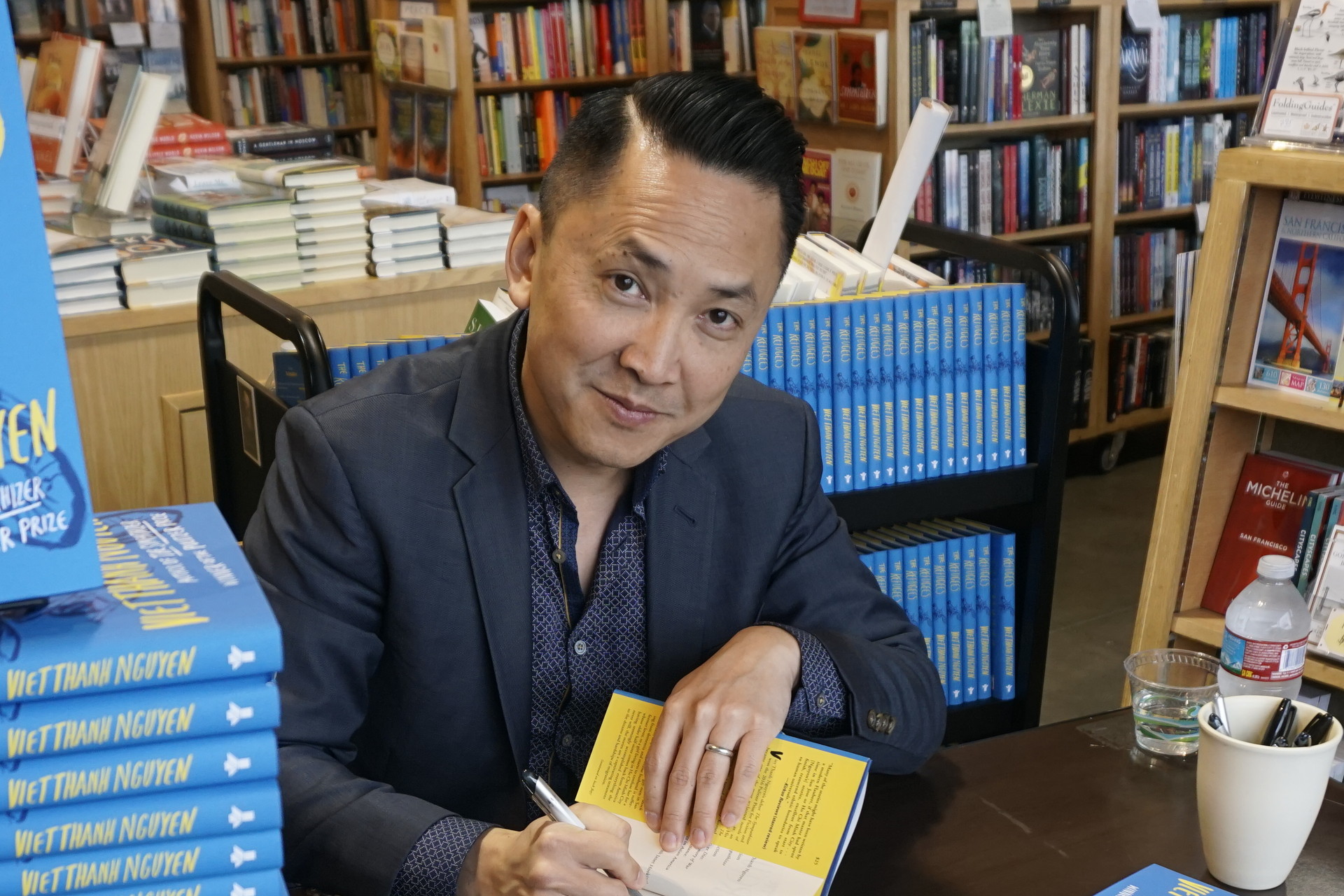
CAMBRIDGE – When Viet Thanh Nguyen told his parents he wanted to become a writer instead of a doctor, they were horrified. Now the Pulitzer Prize winner has written a book explaining exactly why being an outsider gave him the power to write stories that change how people think about war, immigration, and justice.
Nguyen’s new book “To Save and to Destroy,” published April 8, comes from his Norton Lectures at Harvard—the most prestigious literary lectures in America. He’s the first Vietnamese American ever chosen for this honor. The book reveals specific tricks that outsider writers use to turn their painful experiences into weapons against oppression.
The central idea is simple but powerful: writers who have been kicked around by the system see things that comfortable people miss. Nguyen fled Vietnam as a four-year-old refugee. That experience taught him how governments create enemies and how ordinary people suffer when powerful countries go to war. These lessons show up in everything he writes.

Why Nguyen Refuses to Explain Vietnamese Culture
Here’s where Nguyen gets controversial. He says minority writers need to stop explaining their cultures to white readers. Publishers always want immigrant writers to include glossaries, translate foreign words, and make everything comfortable for mainstream audiences. Nguyen calls this a trap that turns real stories into educational material for privileged readers.
Instead, he writes for Vietnamese Americans first. If other readers don’t understand cultural references, they can look them up. “Would F. Scott Fitzgerald translate a sandwich?” Nguyen asks. White writers never have to explain their cultural assumptions, so why should writers of color do all the translation work?
This approach pisses off some publishers and critics who want diverse books to be teaching tools. But Nguyen argues that when you stop trying to educate white people, you start telling truths that actually matter to oppressed communities. The goal isn’t to make comfortable people feel good about learning—it’s to give excluded people stories that help them survive and fight back.
How Personal Pain Becomes Political Power
Nguyen shows how his family’s refugee experience helps him understand what’s happening to immigrants today. When ICE raids terrorize Latino communities, he recognizes the same tactics America used in Vietnam where leaders turned entire populations into enemies, separating families, using fear as a weapon. These connections aren’t academic theories; they’re survival knowledge.
The book reveals how outsider writers can connect different struggles that seem unrelated. A Vietnamese refugee writer can help Black readers understand police violence because both groups know what it feels like when the state treats you as threat. A Mexican immigrant writer can help Jewish readers recognize antisemitism because both understand what it means to be blamed for society’s problems.
This isn’t feel-good diversity talk. Nguyen argues that building these connections creates real political power. When oppressed groups understand their shared enemies, they can work together instead of fighting each other for scraps. Literature becomes a tool for building coalitions that can actually challenge the system.
What Makes Writing Different from Protesting
Nguyen explains why stories change minds in ways that protests and speeches can’t. Political arguments make people defensive—they put up walls and find reasons to disagree. But stories sneak past those defenses by making readers care about characters before they realize they’re learning about politics.
When Nguyen writes about his mother working in a nail salon, readers understand the human cost of economic exploitation without getting a lecture about capitalism. When he describes his father’s PTSD from the Vietnam War, readers grasp how American foreign policy destroys families without needing statistics about military intervention.
The emotional connection comes first, then the political understanding follows. This makes literature especially dangerous to people in power because it reaches audiences who would never read political theory or attend activist meetings. Stories can radicalize suburban book clubs in ways that protests never could.
Why This Book Matters Right Now
Nguyen’s book arrives as Republican politicians are banning books by writers of color across the country. They understand what he’s talking about—these stories really are threats to white supremacy and American empire. The fact that they’re trying so hard to silence minority voices proves that literary resistance works.
The book also shows why current debates about “representation” miss the point. Publishers love to publish diverse books that make white readers feel good about learning from other cultures. But Nguyen argues for literature that makes people uncomfortable, angry, and ready to fight injustice. That’s a much more dangerous and powerful kind of diversity.
For writers who feel like outsiders—whether because of race, immigration status, sexuality, or class—Nguyen’s book offers both inspiration and practical strategy. He shows that being excluded from the mainstream isn’t a disadvantage to overcome but a source of power to embrace. The system’s rejection becomes the foundation for resistance.
“To Save and to Destroy: Writing as an Other” is published by Harvard University Press ($26.95) and based on Nguyen’s 2023-2024 Norton Lectures at Harvard. The six essays blend personal memoir with literary criticism and political analysis, showing how outsider writers can build solidarity across different communities fighting oppression.
Key Takeaways
- Nguyen argues minority writers should stop translating their cultures for white audiences and instead write authentically for their own communities first.
- Personal stories about displacement and oppression become political weapons by helping readers connect different struggles and build cross-community coalitions.
- Current book bans targeting diverse authors prove that literary resistance threatens white supremacy more effectively than traditional political organizing.
Related Articles
- Republican Book Bans Target Stories That Challenge White Supremacy and American Empire – How current censorship campaigns specifically attack literature that builds solidarity between oppressed communities.
- Immigrant Writers Reject Publisher Demands to Explain Their Cultures to White Readers – Growing movement of writers who refuse to translate their experiences for mainstream comfort.
- Harvard’s Norton Lectures Show How Literature Builds Political Movements – History of prestigious lecture series reveals connections between storytelling and social change organizing.
