
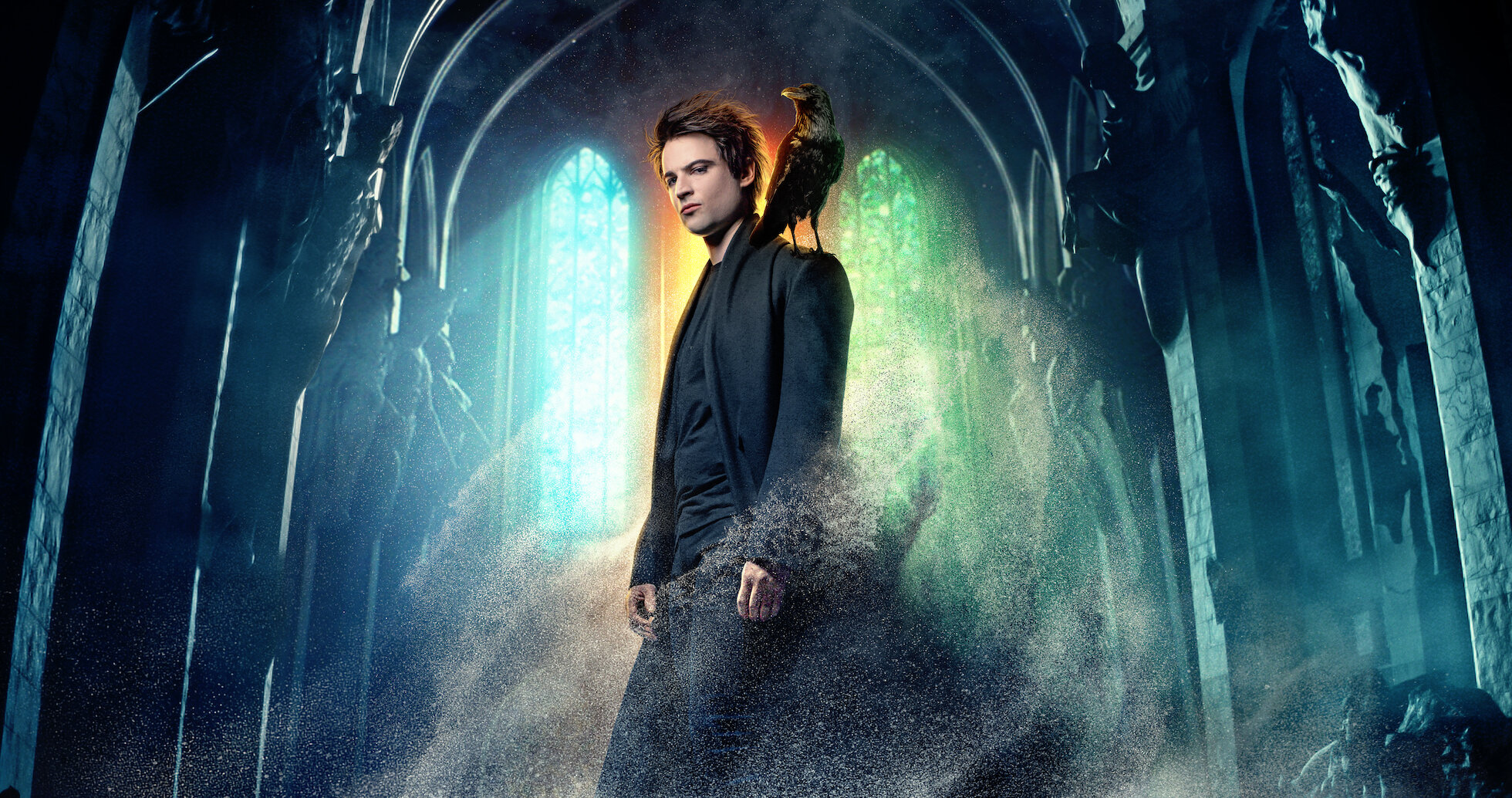
Mythology in the Modern World
Netflix’s The Sandman represents one of television’s most ambitious attempts to weave together mythological traditions from around the world. The series draws from African folklore, European legends, Asian spiritual traditions, and indigenous mythologies to create a unified narrative that speaks to contemporary global audiences.
This approach reflects Neil Gaiman’s understanding that mythology serves universal human needs: explaining existence, providing moral guidance, and helping people understand their place in the cosmos. By combining ancient wisdom with modern storytelling techniques, The Sandman demonstrates how traditional myths can remain relevant and powerful in contemporary media.
The series faces the complex challenge of adapting sacred and culturally significant stories for entertainment while maintaining respect for their origins. This analysis examines how the show navigates these challenges and what its approach reveals about the role of mythology in modern fantasy television.
The Universal Language of Dreams
Why Dreams Connect All Cultures
Dreams provide the perfect foundation for cross-cultural mythology because every human culture has developed beliefs and stories about sleep, dreams, and the unconscious mind. From ancient Mesopotamian dream tablets to modern psychological theories, humans have consistently recognized dreams as significant experiences that connect the conscious and unconscious worlds.
This universal experience allows The Sandman to explore different cultural interpretations of the same fundamental phenomenon. Dream of the Endless appears differently to each culture—as Morpheus to Greeks, Kai’ckul to ancient Africans, and various other forms to different civilizations—but his function remains consistent across all traditions.
The series uses this flexibility to demonstrate how mythological concepts translate across cultural boundaries while maintaining their essential meaning. Different cultures may visualize dream deities differently, but they share common understanding about dreams’ importance in spiritual and psychological life.
The Dreaming as Cultural Bridge
The Dreaming itself serves as a space where different mythological traditions can coexist and interact. Within this realm, characters from Greek mythology might encounter figures from African folklore or Asian spiritual traditions without contradiction or conflict.
This approach reflects modern understanding of mythology as expressing psychological and spiritual truths rather than literal historical facts. The Dreaming operates according to symbolic logic rather than physical laws, allowing different mythological systems to merge and interact organically.
The realm’s structure also demonstrates how individual cultural traditions contribute to a larger human understanding of consciousness and existence. Each mythological system adds unique insights while participating in broader patterns that span all human cultures.
African Mythology and Cultural Representation
The Story of Nada and the First People
One of the series’ most significant mythological adaptations involves the tragic love story between Dream and Nada, an ancient African queen. This narrative draws from various African mythological traditions while creating a story that fits within The Sandman’s larger cosmology.
The portrayal of Nada’s civilization, called the First People, reflects genuine African cultural elements: sophisticated urban architecture, complex spiritual beliefs, and political systems led by wise rulers. The series avoids stereotypical depictions of African societies as primitive, instead presenting a advanced civilization with rich cultural traditions.
The character of Kai’ckul represents how Dream manifests within African cultural contexts. His appearance and behavior reflect African spiritual traditions rather than European mythological patterns, demonstrating the series’ commitment to cultural authenticity in its mythological adaptations.
Respectful Cultural Integration
The series addresses African mythology with careful attention to cultural sensitivity and historical accuracy. Rather than appropriating surface elements without understanding, the show incorporates deeper themes and values from African spiritual traditions.
This approach includes consultation with cultural experts and deliberate casting choices that reflect the stories’ origins. The visual design, costumes, and settings for African-derived storylines draw from historical research rather than generic fantasy aesthetics.
The narrative also explores themes central to many African mythological traditions: the relationship between rulers and their people, the importance of wisdom and sacrifice, and the consequences of cosmic forces interfering in human affairs.
European Mythological Elements
Classical Greek and Roman Influences
The character of Morpheus draws directly from Greek mythology, where he appears as the god of dreams and son of Hypnos (Sleep). However, The Sandman expands this classical figure into something far more complex and powerful than his ancient Greek counterpart.
The series incorporates other elements from Greek mythology, including the Furies (who appear as the Kindly Ones), various minor deities, and the general structure of divine beings with specific domains and responsibilities. These elements provide familiar mythological frameworks for audiences familiar with classical traditions.
However, the adaptation goes beyond simple references to explore deeper themes from Greek mythology: the relationship between fate and free will, the consequences of hubris, and the complex moral universe where gods and mortals interact with often tragic results.
Celtic and Norse Traditions
The series also draws from Celtic and Norse mythological traditions, particularly in its treatment of storytelling, prophecy, and the relationship between different realms of existence. The concept of multiple worlds connected by supernatural pathways reflects common themes in northern European folklore.
Characters like the Corinthian embody elements from various European monster traditions, while the overall structure of the Endless family reflects patterns found in Norse mythology, where cosmic forces are personified as family members with complex relationships and conflicting loyalties.
The series’ treatment of death and the afterlife incorporates elements from various European traditions while creating something new that serves the narrative’s specific needs. This synthesis demonstrates how modern fantasy can honor traditional sources while creating original mythological systems.
Asian Spiritual Traditions
Buddhist and Hindu Influences
The series incorporates concepts from Asian spiritual traditions, particularly Buddhism and Hinduism, in its treatment of consciousness, reality, and the relationship between material and spiritual existence. The idea that reality might be fundamentally illusory or that consciousness creates experience reflects core Buddhist teachings.
The Endless themselves embody concepts similar to those found in Hindu cosmology, where abstract principles are personified as deities with specific functions in maintaining cosmic order. The cyclical nature of existence and the possibility of transformation and renewal also reflect Asian spiritual concepts.
The series’ treatment of karma and consequences demonstrates understanding of how actions create ongoing effects that extend beyond immediate circumstances. This perspective influences character development and plot progression throughout the narrative.
Daoist and Zen Elements
The series incorporates Daoist concepts about balance, change, and the relationship between opposing forces. The dynamic between the Endless siblings reflects understanding of how seemingly opposite forces actually complement and define each other.
Zen influences appear in the series’ treatment of paradox, the limitations of rational thought, and the importance of direct experience over intellectual understanding. Characters often learn important truths through experience rather than explanation, reflecting Zen teaching methods.
The overall approach to storytelling, where meaning emerges through implication and suggestion rather than explicit statement, also reflects Asian narrative traditions that emphasize subtlety and reader interpretation.
Indigenous and Shamanistic Traditions
Dreamtime and Vision Quests
The series draws inspiration from indigenous traditions worldwide that recognize dreams and altered states of consciousness as ways of accessing spiritual knowledge and connecting with cosmic forces. The concept of the Dreaming itself reflects Aboriginal Australian Dreamtime traditions, where mythological events exist in an eternal present that influences ongoing reality.
Vision quest traditions from various Native American cultures influence the series’ treatment of spiritual journeys and transformative experiences. Characters often must undergo difficult trials or face their deepest fears to achieve understanding or power.
The series respects these traditions by focusing on their spiritual and psychological insights rather than appropriating specific cultural symbols or practices. This approach allows for inspiration without cultural exploitation.
Shamanic Practices and Altered Consciousness
The portrayal of characters who can travel between different realms of existence reflects shamanic traditions found in cultures worldwide. These figures serve as bridges between ordinary consciousness and spiritual dimensions, often at great personal cost.
The series explores how altered states of consciousness can provide access to hidden knowledge and spiritual power while also creating vulnerability and isolation. This treatment reflects genuine understanding of shamanic traditions rather than superficial fantasy elements.
The emphasis on storytelling as a form of magic and healing also reflects indigenous traditions where narratives serve therapeutic and spiritual functions beyond mere entertainment.
Modern Mythological Synthesis
Creating New Myths from Old
The Sandman demonstrates how contemporary creators can build new mythological systems by synthesizing elements from multiple traditional sources. Rather than simply copying existing myths, the series creates original stories that honor their sources while addressing modern concerns and perspectives.
This synthetic approach reflects how mythology has always evolved through cultural contact and exchange. Ancient myths themselves often combined elements from different traditions, creating new stories that served the needs of changing societies.
The series’ success in this synthesis suggests that modern media can serve mythological functions for contemporary audiences, providing the same sense of meaning, connection, and understanding that traditional myths offered their original communities.
Universal Themes Through Cultural Specificity
The series achieves universal appeal not by avoiding cultural specificity but by embracing it fully. By presenting mythological elements from different traditions with authenticity and respect, the show demonstrates how particular cultural expressions can reveal universal human experiences.
This approach challenges the assumption that global entertainment must be culturally neutral to succeed internationally. Instead, The Sandman shows how authentic cultural representation can enhance rather than limit a story’s universal appeal.
The series suggests that audiences hunger for genuine cultural content and are capable of appreciating traditions different from their own when those traditions are presented with respect and understanding.
Challenges of Cultural Adaptation
Avoiding Appropriation and Stereotypes
Adapting mythological traditions for contemporary entertainment requires careful navigation of the difference between inspiration and appropriation. The Sandman faces the ongoing challenge of drawing from traditional sources without exploiting or misrepresenting them.
The series addresses this challenge through research, cultural consultation, and careful attention to the difference between sacred and public mythological elements. Not all traditional stories are appropriate for entertainment adaptation, and the series must distinguish between those that can be respectfully used and those that should remain within their original cultural contexts.
The show also works to avoid perpetuating stereotypes about different cultures by presenting complex, nuanced portrayals that reflect the depth and sophistication of their mythological sources.
Balancing Authenticity with Narrative Needs
Creating a coherent narrative from diverse mythological sources requires balancing respect for traditional elements with the practical needs of television storytelling. The Sandman must make changes to traditional stories to fit within its overall structure while maintaining their essential spirit and meaning.
This process involves understanding which elements of traditional myths are essential to their meaning and which can be adapted without losing their fundamental significance. The series demonstrates how thoughtful adaptation can honor sources while creating something new and relevant.
The challenge extends to visual representation, where costume, set design, and casting decisions must reflect cultural authenticity while serving the story’s dramatic and aesthetic needs.
The Role of Mythology in Contemporary Media
Mythology as Modern Storytelling Tool
The Sandman demonstrates how mythological thinking can enhance contemporary storytelling by providing archetypal characters, universal themes, and symbolic depth that resonates across cultural boundaries. Modern audiences still need the meaning and connection that mythology traditionally provided.
The series shows how mythological approaches can address contemporary concerns about identity, purpose, and moral responsibility while maintaining the sense of wonder and significance that characterizes traditional myths.
This approach suggests that successful modern fantasy must do more than simply entertain; it must also provide the psychological and spiritual functions that mythology has always served for human communities.
Global Storytelling in a Connected World
The series’ international success demonstrates the potential for stories that draw from multiple cultural traditions to succeed in global markets. Rather than diluting cultural content for universal appeal, The Sandman shows how authentic cultural representation can enhance international understanding and appreciation.
This approach reflects the reality of contemporary global culture, where people routinely encounter and appreciate traditions different from their own. Modern audiences appear ready for complex, culturally diverse content that challenges them to expand their perspectives.
The series suggests that the future of international entertainment may lie in authentic cultural exchange rather than homogenized content designed to offend no one while inspiring no one.
Educational Value and Cultural Bridge-Building
Introducing Audiences to World Mythology
The Sandman serves educational functions by introducing viewers to mythological traditions they might not otherwise encounter. The series can inspire audiences to learn more about the cultural sources that contribute to its narrative, fostering greater cultural understanding and appreciation.
This educational aspect occurs naturally through the storytelling rather than through explicit instruction, making the learning process enjoyable and memorable. Viewers absorb information about different mythological traditions while being entertained by compelling characters and dramatic situations.
The series also demonstrates connections between different mythological traditions, showing how human cultures have developed similar insights about consciousness, morality, and existence despite geographical and temporal separation.
Promoting Cultural Understanding
By presenting mythological traditions from different cultures with equal respect and sophistication, The Sandman challenges hierarchical thinking that places some cultural traditions above others. The series suggests that all human cultures have developed valuable insights about existence and consciousness.
This approach can help break down cultural prejudices by showing the depth and wisdom present in traditions that some audiences might previously have dismissed or ignored. The series humanizes different cultures by showing their shared concerns and insights.
The show also demonstrates how cultural exchange can enrich rather than diminish traditional stories, suggesting that respectful cross-cultural dialogue benefits all participants.
Technical Aspects of Mythological Adaptation
Visual Design and Cultural Authenticity
The series faces complex challenges in visually representing mythological elements from different cultures while maintaining authenticity and avoiding stereotypes. Costume design, set decoration, and visual effects must reflect genuine cultural research rather than generic fantasy aesthetics.
This process requires collaboration with cultural consultants who can provide insight into traditional visual elements and their appropriate use in contemporary contexts. The series must distinguish between elements that can be adapted and those that have sacred significance requiring special sensitivity.
The visual design also serves educational functions by introducing audiences to artistic traditions and aesthetic concepts they might not otherwise encounter, expanding their appreciation for global cultural diversity.
Casting and Performance Considerations
Adapting global mythology requires careful attention to casting decisions that reflect the cultural origins of different storylines while serving the narrative’s dramatic needs. The Sandman demonstrates commitment to authentic representation through diverse casting that honors the stories’ cultural sources.
Performance considerations include understanding how different cultural traditions approach storytelling, emotional expression, and spiritual concepts. Actors must convey cultural authenticity while making their characters accessible to international audiences.
The series also faces challenges in representing supernatural beings who transcend specific cultural boundaries while still reflecting the cultural contexts in which they appear to different characters.
Future Implications for Fantasy Television
Setting New Standards for Cultural Representation
The Sandman’s approach to global mythology may establish new expectations for how fantasy television handles cultural content. The series demonstrates that audiences appreciate authentic cultural representation and are willing to engage with complex, culturally diverse content.
This success may encourage other productions to invest in genuine cultural research and consultation rather than relying on generic fantasy elements or superficial cultural references. The series shows that cultural authenticity can enhance rather than limit commercial appeal.
The show’s approach may also influence how creators think about mythology’s role in contemporary storytelling, encouraging more thoughtful engagement with traditional sources rather than simple appropriation of surface elements.
Expanding Global Storytelling Possibilities
The series’ success with global mythological synthesis suggests that contemporary media can successfully combine elements from multiple cultural traditions while maintaining respect for their sources. This approach opens possibilities for more ambitious cross-cultural storytelling projects.
The show demonstrates that modern audiences are ready for complex, culturally diverse content that challenges them to expand their perspectives and learn about different traditions. This readiness may encourage more productions to embrace cultural diversity rather than avoiding it.
The series also suggests that the future of international entertainment may involve authentic cultural exchange rather than homogenized content designed for lowest-common-denominator appeal.
Conclusion: Mythology’s Continuing Relevance
The Sandman demonstrates that mythology remains relevant and powerful in contemporary media when approached with understanding, respect, and creativity. The series shows how traditional stories can address modern concerns while maintaining their essential wisdom and significance.
The show’s success in adapting global mythological traditions suggests that contemporary audiences hunger for the meaning, connection, and understanding that mythology has always provided. Modern entertainment can serve these needs while honoring the cultural sources that inspire it.
More importantly, The Sandman demonstrates how respectful cultural exchange can enrich rather than diminish traditional stories. By combining elements from different mythological traditions, the series creates something new that honors its sources while speaking to contemporary global audiences.
The series suggests that the future of fantasy television may lie in authentic engagement with global cultural traditions rather than reliance on generic fantasy elements. This approach can foster cultural understanding while creating more compelling and meaningful entertainment.
As The Sandman continues to unfold across multiple seasons, its treatment of global mythology will likely continue serving as a model for how contemporary media can respectfully and effectively adapt traditional cultural content for modern audiences. The series proves that mythology’s ancient power to inspire, educate, and transform remains undiminished in our contemporary global culture.
Key Takeaways
- The Sandman successfully adapts global mythological traditions by maintaining cultural authenticity while creating universal themes that resonate across cultures.
- Respectful mythological adaptation requires extensive cultural research and consultation to avoid appropriation while honoring traditional sources and meanings.
- Media experts recognize that authentic cultural representation enhances rather than limits international appeal, challenging assumptions about global entertainment.
Related Articles
- The Sandman’s Endless Family Powers and Relationships – Learn about all seven cosmic siblings and their complex family dynamics in Neil Gaiman’s universe.
- Why Ancient Mythology Still Matters in Contemporary Fantasy Literature – Discover how traditional mythological themes continue influencing modern fantasy storytelling and audience connection.
